66" SemiHidden="false" UnhideWhenUsed="false" Name="Medium List 2 Accent 2">

Sit Less and Move More.



We sit way too much. Many of us have desk jobs where we sit for 8 to 9 hours a day. After we leave the office, we sit in our car to run errands. We follow that by sitting down to eat dinner. Our day ends by sitting on the couch to unwind by watching some television.

Many of us will be sitting a good 12 to 15 hours each and every day. Unfortunately the research shows that long hours of sitting can lead to obesity, heart disease, diabetes, and even early death. Don’t be fooled that your workout is enough movement. You can still be active and sedentary.

How can you add more movement to your day? First, think about all the times you find yourself sitting during the day. Then come up with a creative way that you can get out of the seat and move your feet.

Here are a couple of examples:

Instead of driving everywhere, jump on your bike. The picture above is of the bike I use to go to work or run errands. Bike riding is great exercise, greener transportation and a great stress relief.

We spend a lot of time at work sitting in front of the computer or the phone. Prop your laptop on a bookshelf to create a standing workstation. You can also purchase a sit-stand workstation you can adjust throughout the day. Get a headset and stand during phone calls.

Walk during your lunch break. Walk to the coffee shop, the mailbox, and the dry cleaners. Get your errands done on foot or just enjoy a stroll outside.

Take a movement break every hour. Do some desk push-ups, squats or walk the stairs. Need to communicate with a coworker? Don't email, walk over and talk to them.

Human beings are meant to move, not sit in chairs all day. I want to challenge you to incorporate more movement into your day. I'd love to read your comments how you move more and sit less.


Have You Had Your Prebiotics Today?


Prebiotics and resistant starch may be the missing link to your digestive health. Indigestible fibers that allow healthy bowel flora to proliferate and thrive are often called prebiotics. They are also known as resistant starches, because they are resistant to human digestion. I recently had a client call the addition of resistance starch to her diet, “the missing link my body needed”.

A starch that resists digestion and reaches the large intestine becomes food for the healthy bacteria in the large intestine. These bacteria can break down and “feed on” the resistant starch thus providing the friendly bacteria with the fuel they need to survive.

Imbalance of the quantity and type of bacteria species present in the gut contributes to gastrointestinal illness, blood sugar imbalance, obesity, mood disorders, and immune system challenges.

Green unripe bananas and plantains are one of best sources for prebiotic fiber content with 27 to 30 grams of fiber in one medium banana. Green bananas are essentially inedible. They are most easily incorporated into diet by blending into a smoothie.

One mistake frequently made incorporating prebiotic fibers from bananas is consuming bananas that are too ripe. Once the banana ripens the resistant starch is degraded and become a digestible starch. Thus, no longer a good prebiotic fiber source. In fact, the riper the banana becomes the higher the glycemic (blood sugar) response.

It can be difficult to find bananas that are very green. I made several trips to my local grocery store to find these bowel flora champions. I find it helpful to ask the produce clerk to take a look at the shipment that just arrived, noting the day the shipment arrives, for the best chance to gobble up these green beauties.

In an effort to keep green bananas green I tried a few strategies. One that sounded promising was wrapping the end of the banana to prevent the ethylene gas, which ripens the fruit, from dissipating. You can see from the image this clearly did not work. After a mere two days the green bananas were no longer green. What I found works best is placing the green bananas in the fridge. This halts the ripening process. The skin of the banana will turn brown, which is normal, but the fruit inside is still good. I’ve kept bananas in my fridge for up to 8 days and they hold up well other than the brownish black discoloring that develops on the skin. The banana will be firm and require a knife to cut the skin off the banana.

If you’d like to learn more about prebiotics and strategies to support resolution of common gastrointestinal complaints read the recently release Cureality Guide to Healthy Bowel Flora by Dr. Davis. This guide is one of the many valuable resources available exclusively to Cureality.com members.
---Lisa Grudzielanek, MS, RDN,CD,CDE
Cureality Nutrition Specialist

Something is Better Than Nothing


This past weekend I attended a fitness conference with an amazing lineup of presenters. Even after 11 years in the fitness industry, I love attending these events. I’m a lifetime student always learning more and honing my craft.

I went to a presentation by Al Vermeil about joint mobility, not knowing anything about him. To my surprise, Al was the strength and conditioning coach for the Chicago Bulls and the San Francisco 49ers the years these teams won championships in their respective sports. That’s a pretty impressive resume.

Al was a great presenter, full of fun and practical advice. During his presentation, Al said the following statement:

“Every time you miss a workout, the next one is easier to miss.”

This statement really hit home because I’ve seen this time and time again working in the fitness industry and in my own life. One workout is missed, then an entire week of workouts are missed, then it’s been an entire month of never setting foot back into the gym.

It’s easy to get thrown off your workout routine when life gets busy and days get long. So what do you do? Do you just trash your workout plan?

The all or nothing attitude is common when it comes to making health changes. Either you’re following your plan 100% or you not. I’m here to tell you that doing something is better than nothing. Doing part of your workout or a mini workout is better than missing an entire workout.

The other day I had the choice to do something or nothing. I had a full day of work meetings, video, and family commitments. Here is what happened. I did shorter variation of my joint mobility routine. I followed that with a quick kettlebell circuit of 25 kettlebell swings, 12 kettlebell overhead presses, and 12 kettlebell goblet squats. I did three rounds of this circuit. That’s it! The following day, I got back to my regular exercise routine.

Be consistent with movement and you’ll always see improvements. That’s the magic of exercise. You'll get better if you just do it.

What’s the Problem with My “Healthy” Bowl of Oatmeal?


Food manufacturers have clever ways to market foods to us. Unfortunately, many foods that have a reputation for being healthy are no more than junk food disguised as a healthy food choice. I commonly see people under the influence of a “health halo” effect. This is due to strategic marketing efforts. People overestimate the nutritional value of a food that is labeled “good for you” or they underestimate the negative impact of a food because it contains a healthful ingredient, like flaxseed or fiber. In fact, a recent study from the University of Houston found that terms on food labels such as antioxidants, all-natural, and gluten-free often are used to give an otherwise standard food a "healthy" halo, and influence consumption from the well- intended consumer.

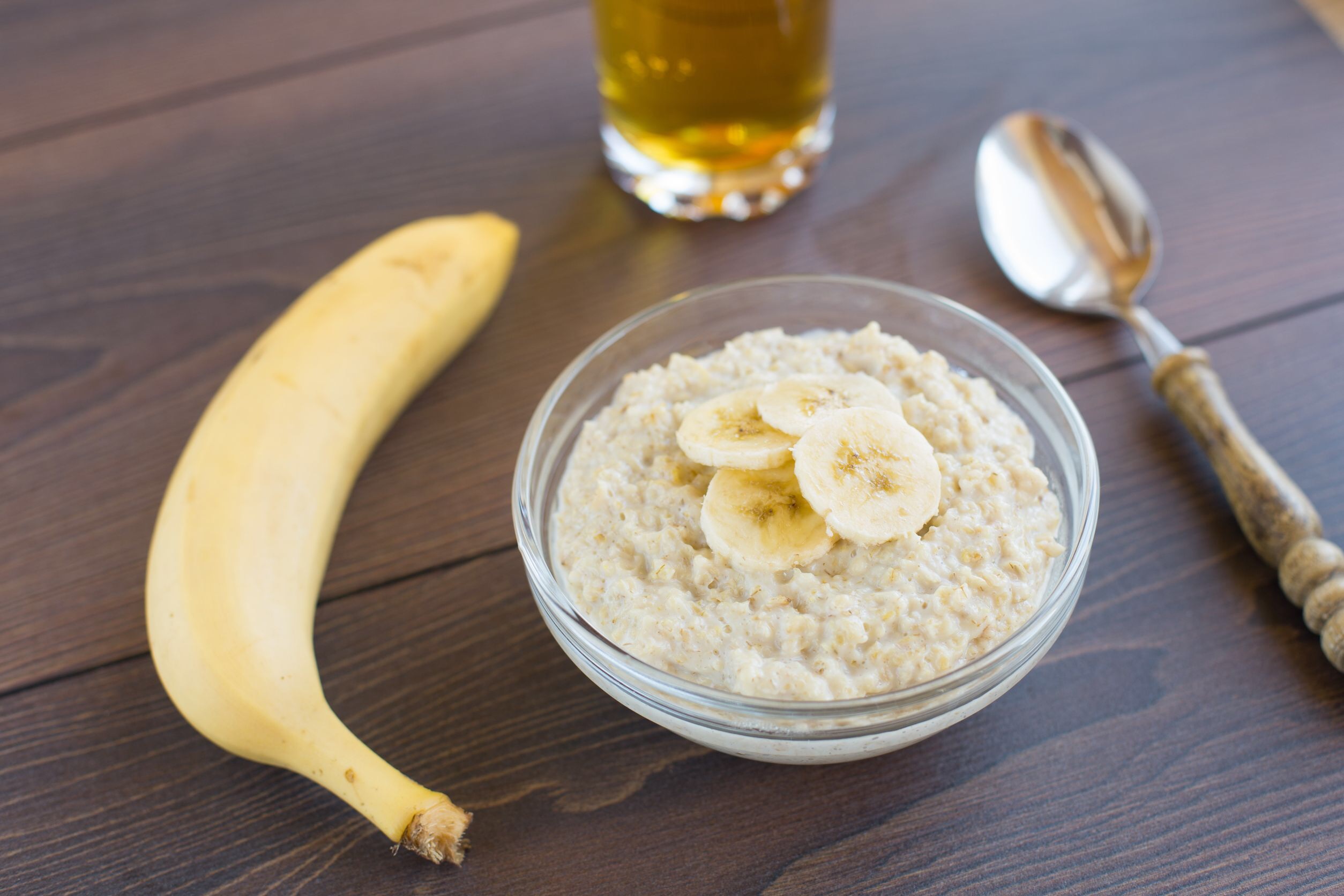
Case in point-- oatmeal. We’ve all heard about the cholesterol lower benefits from soluble fiber contained in oatmeal. It’s blasted all over packages with a paid endorsement from The American Heart Association. However, that’s not the whole story. Most people enjoy a cup of oatmeal with one to two tablespoons of added sugar and fruit such as a ripe, yellow banana. In other words, let’s enjoy a bowl of “send my blood sugar through the roof” high glycemic oatmeal. The glycemic index of oatmeal is 55, and instant oatmeal is 83. Top that with more table sugar, glycemic index 58-65 and better yet top that with a high glycemic, ripe banana with a GI of 62.

Preparing one packet of regular instant oatmeal with one tablespoon of sugar and a medium ripe banana five days per week would result in the sugar equivalent of more than 5 1/2 cups of sugar per month!

Furthermore, the story many Americans are missing is all of that sugar intake, from their so-called “healthy” bowl of oatmeal, actually raises small-dense LDL cholesterol particles, increases blood sugar and contributes to insulin resistance, faulty gut flora, and belly fat.

How do we improve upon our bowl of oatmeal? Enjoy a bowl of hot coconut flaxseed cereal, eggs any variety of ways, or last night’s leftover salmon and vegetables.

The Cureality program provides tools, guidance, and support that does not follow the party line but rather offers nutrition solutions that address the underlying causes for proliferation of many chronic diseases.

Power in Numbers


In his book, The Wisdom of Crowds, author James Surowiecki begins with the story of an ox judging competition in which 800 people—not ox experts nor breeders, just ordinary people attending a county fair—were asked to guess the weight of the ox. The competition was conducted by a scientist, Francis Galton, who held a low opinion of the intelligence of the average person, remarking that “the stupidity and wrong-headedness of many men and women being so great as to be scarcely credible.” He hoped to prove, by examining the various guesses, that the average person had no idea of how to judge the real answer. After all participants casted their written votes, Galton tallied up the total and averaged the result: 1,197 pounds—just one pound off from the real weight of 1,198 pounds. Few individuals actually guessed the correct weight themselves but, when the opinions of many were combined, the result was near-perfect.

Crowds can also be a source of irrational behavior, panic, and stampede. Witness any modern football or soccer game, for instance, in which fights break out over an issue as minor as a disputed call or a heckle. Or go back through history to the countless events when mass hysteria ruled, such as the Salem Witch Trials or Orson Welles’ War of the Worlds radio broadcast.

Let’s put aside examples of mass emotional chaos of the sort that causes crowds to stampede store doors on Black Friday. Let’s focus instead on conscious, considered, thoughtful opinions. We all accept that there are as many opinions on issues as there are people, not uncommonly with widely divergent views. But can we, as Galton’s famous experiment did, combine the opinions of many and come away with some fruitful insight—the correct answer? Just as the people participating in Galton’s experiment were not experts, so Cureality participants—a crowd-sourced collection of opinions—are not experts. If we were to poll everyone to identify their area of expertise or experience, it would likely include finance, the retail industry, raising children, or teaching—but not health. Yes, we have experts curating the direction of content, but we also crowd-source collective opinion.

Right now, Cureality is based on existing science, the philosophy of self-directed health, combined with guidance and community to help the participant along in the sometimes complex world of health questions. But as our processes and procedures improve, can we—like Galton’s ox weight guessers—come away with coalescent wisdom, answers to our health questions, near-perfect solutions to health conditions that have eluded the “experts” for centuries?

I think that we can. No, I know that we can. We enter a new age in information and harness the power of the crowd-sourcing of solutions, even when no single individual has the complete answer herself.

Use This Trick to Boost Exercise Motivation


Are you been struggling to get your workouts in? 

Do you belong to a gym and find that you're not going?

Do you have exercise equipment sitting in your basement collecting dust because you find that you just can’t get yourself down there?

If you answered, “yes” to any of these questions you are not alone. Many people struggle with finding the motivation to exercise.

The problem here is that you have head trash going on. Head trash is that voice inside your head coming up with a million excuses that inhibit you from carving out a bit of time to take care of yourself.

Head trash will tell you that you’re too tired, even though a workout would give you a boost of energy.

Head trash will tell you that you’re too busy, even though you just spent a half hour on Facebook.

Head trash is barking at you to take care of others, even thought you know your health is important for you well being.

Head trash is a real conflict that can get in the way of our health and fitness goals. We start an exercise program with the intentions of a long-term commitment. But after the initial excitement wears off, we find our workouts occurring less frequently. Head trash begins to take over and soon we find ourselves not exercising at all.

Here is my secret for winning the battle over the head trash that keeps getting in way of your workouts. Tell yourself that you are only going to exercise for 10 minutes and evaluate if you want to continue. If you're truly too tired you can stop after 10 minutes. If you're truly too busy you can stop and move onto a task that needs your attention.

Making this deal with your mind that you are only going to exercise for 10 minutes seems reasonable. The head trash will become quite because your mind is convinced it has an out within 10 minutes.

I've used this 10-minute trick myself. I grind through the first few minutes, but then the magic happens. Once you hit the 10-minute mark your body takes over. Exercise feels amazing and your body is energized and enjoying the movement. You have tricked your mind to get over the hurdle of starting and now you’re in the exercise groove.

Try the 10-minute trick next time your head trash is getting in the way of your workout. You'll be amazed how your workout consistency improves.

Super size me in little bits and pieces


Alvin came into the office for consultation on his cholesterol values: LDL 198 mg/dl, HDL, 43 mg/dl, triglycerides 143 mg/dl. He says that he doesn't really try to choose healthy foods but he restricts his overall calorie intake by following the Weight Watcher's exchange approach.

Every morning, 7 days a week, Alvin eats a Sausage McMuffin for breakfast. He justified this by skipping lunch to make up for the 450 calories in the Sausage McMuffin, and not eating anything until dinner.

Can this work? Can you eat foods with unhealthy ingredients but make up the excessive calories by cutting back elsewhere?

The nutritional composition of McDonald's Sausage McMuffin includes 27 grams of total fat (10 gm saturated); 255 mg cholesterol; 950 mg sodium; 31 gm carbohydrate; 2 grams fiber. In other words, it's essentially the same as butter with sugar on it--pure fat, processed wheat, with little fiber or nutritive value.

For Alvin, this is an extremely unhealthy way to eat. His lipid patterns are just the tip of the iceberg: multiple hidden factors are also at work to create heart disease, atherosclerosis in other territories outside the heart, diabetes, high blood pressure, and cancer.

I think the effects are not much different than what Morgan Spurlock achieved in his Super Size Me documentary, but in little bits and pieces. Eating at McDonald's "restaurants" three times a day yielded frightening changes in his lipids, liver function, kidney function, not to mention his appearance and the way he felt. Alvin is doing the same thing, though in less dramatic fashion.

I see this very frequently: people mimicking the experience of Spurlock, just a little at a time, with overindulgence in processed fats and starches.

When you seen a set of Mcdonald's golden arches (or any fast food restaurant, for that matter), run as fast as you can in the other direction. Such indulgences, even in small bits and pieces, still creates a mess of your health.

View from the precipice


Many people, upon first learning of their CT heart scan score, feel like they're on the edge of a sharp drop. It can feel like you're facing a vast, unknown abyss. At the bottom, all those dreaded things that can happen to you: heart attack, heart failure, hospitals, even dying.

I've encountered this "deer in the headlights" look many times. It truly can be frightening to hear that your heart scan score is 300, or 500, or whatever.

What I find truly frightening, however, is when your score prompts the usual array of misinformation commonly dispensed by physicians: "That's so bad you need a heart catheterization", "Nobody knows why people get calcified plaque", or "Reversal is impossible". All absolute bunk.

Let your fear motivate you to do something about your risk for heart disease. Aim for reversal of your coronary plaque and seek out the tools to achieve this. It is possible and, in fact, we do it all the time. I can't claim 100% success, but the majority of people who engage in an effort like the Track Your Plaque program to reverse coronary plaque succeed. Even a substantial slowing of plaque growth from the expected 30% per year is better than submitting to the conventional approach.

At the very least, get both LDL and HDL cholesterol around 60 mg/dl. This alone is a major plus in reducing the risks associated with your heart scan score. It doesn't guaranteee reversal, but it sure tips the odds in your favor.

Organic Rice Krispies?


Breakfast cereal manufacturing giant, Kelloggs, is launching a line of three cereals that will carry the "organic" designation: Organic Rice Krispies, Organic Raisin Bran, and Organic Frosted Mini-Wheats.

This reminds me of the advertisements I've seen for "fresh fried chicken", or "fresh from the can", or "contains only pure cane sugar". How about organic tobacco? Would that make cigarettes healthier?

The TV ad ends with the slogan "Childood is calling!" Oh, those marketers are a shrewd, clever bunch. I worry that they're so clever that most people will fall for these ludicrous tricks.

Don't fall for these thinly-shrouded marketing shenanigans. Organic? Who cares. These foods remain unhealthy whether or not they contain pesticide residues. Take a look at the nutritional composition: Rice Krispies, organic or not, is sugar to your body. It is the sort of food that creates pre-diabetes, diabetes, makes us fat, and fans the flames of lipoprotein patterns like small LDL, VLDL, and postprandial particles, all of which is like throwing cow manure on the weed patch of your coronary plaque.

Nuts as functional foods

Food manufacturers gave nuts a bad name when they started adding evil ingredients to them. "Party mix", "honey-roasted", mixed nuts, etc., are made with added hydrogenated oils, salt, sugar, excessive quantities of raisins, or other added ingredients that turned a healthy food--nuts--into something that made us fat and hypertensive, raised LDL, dropped HDL, and raised blood pressure.

But nuts themselves are, for the most part, very healthy foods. The very best are nuts with a brown fiber coating like almonds, walnuts, and pecans. Nearly all nuts also come rich in monounsaturated oils similar to that in olive oil. Although calorie-dense, nuts tend to be very filling and slash your appetite for other foods. I have never seen anyone gain weight by adding raw nuts to their diet. In fact, I find adding raw nuts cuts craving for sweets.

Nuts are also among the most concentrated sources of magnesium, containing around 150 mg per 1/2 cup serving. As most Americans are at least marginally if not severely deficient in magnesium, this really helps. Magnesium deficiency is a prominent aspect of "metabolic syndrome" and resistance to insulin.


Some nuts have added benefits like the l-arginine content of almonds or the linolenic acid content of walnuts. However, I think the real health "punch" comes from the fiber and monounsaturate content.

Add 1/4-1/2 cup of raw almonds, walnuts, or pecans per day to your diet and what can you expect? The effects that I see every day that are relevant to plaque control/heart scan score-reducing efforts include:

--Reduction in LDL--usually a 20 mg/dl drop, sometimes more.

--Reduction in triglycerides, especially if nuts replace processed carbohydrate calories. This may be because the fiber and monounsaturate content of nuts reduces blood sugar and the effective glycemic index of any accompanying foods.

--Modest blood pressure reduction.

--Though somewhat inconsistent, partial suppression of the dreaded small LDL particle pattern. We struggle with turning off the small LDL pattern in some people, and raw nuts can provide a real advantage.

If that isn't enough, the fiber content also makes your bowels regular.

Unless there's some reason to avoid nuts (e.g., allergy), nuts should be a part of your heart scan score reducing program. Shop around, as prices can vary wildly. I've been paying $12.99 for a 3 lb bag of raw almonds from Sam's Club, though I've seen almonds elsewhere for up to $12.99 per pound.

For additional commentary, go to one of my favorite Blogs, http://fanaticcook.blogspot.com. The Fanatic Cook's recent post, The Season for Walnuts , provides additional discussion on walnuts and the recent study showing how they improve "endothelial function". The nutritionist behind this Blog has fabulous insights into food, including the concept of "functional foods", i.e., using foods as a treatment tool. She is also unfailingly entertaining.

Can you tell the difference?

Stan is 55 years old. He feels fine, is in moderately good physical condition. His LDL cholesterol is 135 mg/dl, HDL 43 mg/dl, triglycerides 167 mg/dl, total cholesterol 211 mg/dl.

Can you tell me whether Stan has heart disease or not?

How about Charles? Charles has an LDL cholesterol of 127 mg/dl, HDL of 44 mg/dl, triglycerides of 98 mg/dl, and total cholesterol of 191 mg/dl. He is also reasonably fit and feels fine. Can you tell whether Charles has heart disease?

If you can't, don't feel bad. Neither can your doctor. But this is the folly of using cholesterol for risk prediction.

Stan's heart scan score: 0

Charles' heart scan score: 978

Look even more closely at Stan's and Charles' cholesterol numbers. Is there some fine distinction we overlooked? What if we calculated total cholesterol to HDL ratio? Or LDL/HDL ratio?

No matter how you squeeze it, shake it, beat it with a stick, you simply cannot use cholesterol numbers to predict heart disease in specific individuals. Yes, the higher your LDL cholesterol and lower your HDL, the higehr your total cholesterol to HDL ratio, the greater the likelihood of heart disease. But you can simply cannot tell in a specific individual at a specific point in time. If you've seen your doctor puzzle over the numbers, understand that he/she is trying to make sense out of something that doesn't make sense, no matter how hard he/she tries.

You simply need to measure the disease itself: get a CT heart scan, the only measure of atherosclerotic coronary plaque that you have access to.

By the way, if you haven't seen it yet, go to the Track Your Plaque website (www.cureality.com) to see the news piece reporting the American Heart Association's much overdue position statement on CT heart scanning. The AHA has finally released a statement which, in effect, provides their "official" endorsement. Blocked by political shenanigans behind the scenes for several years, the guidelines finally made it to press. The only real difference it makes to me is that my patients may finally get their heart scans paid for by insurance, once the insurance companies realize that it's getting tougher and tougher to dodge their responsibility.

Statin agents and muscle aches

How common are muscle aches with the statin drugs?

It depends on who you ask. If you ask the drug manufacturers, they will tell you no more than 2% of people who take them. They back this up with the experience in tens of thousands of people in published clinical trials.

What if we ask people who take them outside of clinical trials. How many then? I estimate, from my large experience, over 80%! In other words, muscle aches are inevitable in nearly everyone who takes them. The longer you take them, the higher your dose, the more likely muscle aches are going to be.

Why the disconnect between published data and real-world experience? I really don't know. In some instances, the differences are dramatic. The ASTEROID trial, for instance, in which Crestor, 40 mg, was given for two years, only resulted in 8% of people dropping out because of side-effects. My experience: everybody--nobody can tolerate this dose for any length of time.

Let me qualify what "muscle aches" mean. It means achiness and/or weakness, usually mild, occasionally moderate to severe, worse upon awakening and less with use. It can affect many muscles or it can involve only one. Rarely is it incapacitating but it is commonly annoying and frightening. It commonly shows up as gradually diminishing strength with exercise. Strength usually returns promptly upon stopping the offending drug.

"Rhabdomyolysis", or true muscle destruction is, fortunately, very unusual in otherwise well people. People with abnormal kidney function, diabetes, and other concurrent illnesses are somewhat more prone. But in reality, rhabdomyolysis is unusual. I've personally seen it twice, both in people sick for other reasons.

Coenzyme Q10 (CoQ10) supplementation has been a godsend for us. At least 4 out of 5 people who require statins and develop muscle aches respond favorably, but it requires 100 mg per day. The preparation must be oil-based to work, not powder in a capsule which exerts no effect. Some people get by with less; some require as much as 300 mg per day. I've had favorable experiences with the CoQ10 from Sam's Club, GNC, Vitamin Shoppe, and Life Extension (www.LEF.org).

The Track Your Plaque target for LDL cholesterol is 60 mg/dl. Many people do indeed use statins to achieve this level, the level of LDL that amplifies your chances of heart disease reversal, i.e., reduction of heart scan score. The only drawback that I'm aware of with CoQ10 replacement is cost. Beyond this, it's a benign supplement that even supplies higher energy for some people who take it.

More catheterizations would make me happy!

I received this fax today from a cardiologist seeking a position:

"I would prefer to perform as many interventions [stents, angioplasties, etc.] as possible..."

That about sums it up, doesn't it? The goal of this young man, trained in major universities including Columbia University, Harvard, and Emory, is not to pursue an avenue of investigation or healthcare that yields real answers. His goal is to perform as many procedures as possible.

This attitude is deeply ingrained in cardiologists. It's also shared by all procedural medical specialties: the drive to do more and more procedures. It's not because it does more good for the public, but it fulfills a primitive impulse to spread your influence, enlarge your territory, and--of course--make more money.

Personally, I find this impulse repulsive. The fact that this young cardiologist looking for a position is willing to make this statement out in the open demonstrates how widely accepted this attitude is. Imagine your cancer surgeon, looking for a new job, said, "I'm looking to remove as many tumors as I can."

My colleagues have lost sight of the fact that we're trying to reduce or eliminate disease, not enrich our pockets or service some primitive impulse to beat others at our game.

"I hate fish oil!"

I get this comment occasionally, usually from the fishy belching that can occur, rarely because of other crazy effects like rash, fishy body odor, etc.

In the vast majority, fish oil is a benign but wonderfully effective agent. Track Your Plaque followers know that fish oil, starting at 4000 mg per day of a standard 1000 mg capsule preparation, dramatically reduces triglycerides and thereby raises HDL, partially suppresses small LDL, and is the best agent available for reducing postprandial (after eating) abnormalities like IDL and certain VLDL fractions.

However, an occasional person (about 1 in 20) just doesn't like the effects. Are there alternatives? Fish oil packs such a wallop of beneficial effects that can not be replaced by any other single agent or lifestyle practice. For this reason, we have a number of easy strategies to enhance your tolerance for fish oil. (Of course, if your and/or you doctor determine that you're allergic to fish oil, then you should indeed avoid it; thankfully, this is rare.)

Helpful strategies include:

--Refrigerate fish oil capsules--this cuts back on fish belching.
--Take only with meals. This also may increase fish oil's benefits on suppressing after-eating lipoprotein abnormalities.
--Take an enteric-coated preparation--this delays breakdown of the tablet/capsule, making fishy belching less of an issue. Sam's Club has an inexpensive preparation.
--Take liquid fish oil. Usually orange or lemon flavored, liquid fish oil may be a faint fishy taste and odor, but usually not as prominent as the capsules. There's also less stomach upset.
--Coromega--a paste form of fish oil available at health food stores or through http://www.coromega.com. Coromega tastes fruity and comes in little squeeze envelopes.
--Frutol--Pharmax, a British company, makes another fruity fish oil that is non-oily and tastes like apricot. It's actually fairly reasonably priced, too. However, it is hard to find. The only way I know to get is to go online at www.pharmaxllc.com. You may have to actually order through a health care provider.

When using any preparation of fish oil, the best way to determine your dose is to add up the EPA and DHA content. For instance, if you use a fish oil liquid that contains 320 mg EPA and 240 mg DHA per teaspoon, you will need two teaspoons a day to achieve the equivalent of our starting dose of 1200 mg of EPA+DHA, usually provided by 4000 mg total in 4 capsules. Note that some lipid and lipoprotein disorders will require higher doses, e.g., 1800 mg EPA+DHA for high triglycerides (>200 mg/dl) or high IDL.

Sudden death in athletes

A recent report in the Journal of the American Medical Association details how a group in the Veneto region of Italy cut back on the incidence of sudden cardiac death in athletes by a simple screening program.


You can read the abstract of the article at http://jama.ama-assn.org/cgi/content/full/296/13/1593.

Although sudden death in athletes is still a rare event, it is especially tragic when it happens. In this population, the incidence was 3.6 deaths per 100,000 athletes aged 12 to 35 years. By implementing a simple screening program that involved only a physical examination and an EKG, an astounding 89% reduction in sudden death was documented.

What lessons does this hold for those of us interested in coronary plaque reversal? Beyond the obvious lesson of pointing out the great benefit of simple screening of athletes, I believe that it tells us the value of simple screening tools for heart disease in general. It is my strong belief that, if we were to implement CT heart scans among the broad population of men 40 years and over, women 50 years and over--without regard to cholesterol or other relatively lame risk identifiers--we could slash the risk for heart attack and death 90% or more. Putting CT heart scans into the hands of the public makes your coronary risk obvious. It takes the guesswork out of risk predictors like cholesterol and high blood pressure.

But heart scans are already available, you say! Yes, of course they are. But the lack of insurance reimbursement continues to be a restricting factor for many people, despite the number of lives that could be potentially saved and the money that would be saved in the long run by reducing need for major heart procedures. The continuing resistance to prevention by my cardiology colleagues and the persistent ignorance of primary care physicians also remain major impediments.

But it's getting better. You don't have to be chained by ignorance. Put your CT heart scan to good use.

My heart scan was wrong!


Tom came into the office ready for a confrontation.

Tom's wife insisted that he see me to discuss the implications of his CT heart scan score of 459. At age 50, this was clearly bad news that placed Tom in the 99th percentile (worst 1% of men in his age group).

But Tom had already undergone a stress test. There had apparently been a small abnormality, and a heart catheterization had been performed by another cardiologist. "They told me they didn't need to do anything. No stent, no ballon, no bypass, nothing!"

I asked, "Did they tell you that there was any plaque or blockages seen?"

"Yeah, but he said it was nothing. So the heart scan was wrong!"

I've been here many times before. I explained to Tom that, no, his heart scan was not wrong. All the tests he'd undergone siimply provided a different perspective on the same disease. You could say:

--The stress test, being a test of blood flow, may have been abnormal because of the abnormal constrictive behavior of arteries containing plaque, known as "endothelial dysfunction", because the inner lining of arteries (the endothelium) control the tone of the artery. Abnormal constriction in arteries with plaque is quite common.

--The catheterization simply showed that no plaque had collected in a configuration to block flow, thus no stent, etc., since flow was normal. But there was indeed plaque.

All three tests were right; none were wrong. They all provided a little different perspective on the same process. Of course, I favor the heart scan as the means to identify, precisely measure, and track the atherosclerotic plaque in your arteries. The stress test is too crude and only measures flow, the catheterization is not something you'd want to undergo year after year. Catheterization also is too crude a measure to precisely track plaque growth or reversal.

So I explained to Tom that, even though a stent or similar procedure was unnecessary, he remained at substantial risk for heart attack due to plaque "rupture". In fact, Tom's heart attack risk was 5% per year, or approximately 50% over the next decade. That is, indeed, substantial. In fact, you might say that, of the three tests Tom underwent, only the heart scan revealed his true risk.
All posts by william-davis

When MIGHT statins be helpful?

I spend a lot of my day bashing statin drugs and helping people get rid of them.

But are there instances in which statin drugs do indeed provide real advantage? If someone follows the diet I've articulated in these posts and in the Track Your Plaque program, supplements omega-3 fatty acids and vitamin D, normalizes thyroid measures, and identifies and corrects hidden genetic sources of cardiovascular risk (e.g., Lp(a)), then are there any people who obtain incremental benefit from use of a statin drug?

I believe there are some groups of people who do indeed do better with statin drugs. These include:

Apoprotein E4 homozygotes

Apoprotein E2 homozygotes

Familial combined hyperlipidemia (apoprotein B overproduction and/or defective degradation)

Cholesteryl ester transfer protein homozygotes (though occasionally manageable strictly with diet)

Familial heterozygous hypercholesterolemia, familial homozygous hypercholesterolemia

Other rare variants, e.g., apo B and C variants

The vast majority of people now taking statin drugs do NOT have the above genetic diagnoses. The majority either have increased LDL from the absurd "cut your fat, eat more healthy whole grains" diet that introduces grotesque distortions into metabolism (like skyrocketing apo B/VLDL and small LDL particles) or have misleading calculated LDL cholesterol values (since conventional LDL is calculated, not measured).

As time passes, we are witnessing more and more people slow, stop, or reverse coronary plaque using no statin drugs.

Like antibiotics and other drugs, there may be an appropriate time and situation in which they are helpful, but not for every sneeze, runny nose, or chill. Same with statin drugs: There may be an occasional person who, for genetically-determined reasons, is unable to, for example, clear postprandial (after-eating) lipoproteins from the bloodstream and thereby develops coronary atherosclerotic plaque and heart attack at age 40. But these people are the exception.

Advanced topics in nutrition

Nutrition in the modern world has become an increasingly problematic topic. From genetic modification to commercialized methods of mass production, we are having to navigate all manner of complex issues in food choices, particularly if ideal health, including maximal control over coronary plaque, is among our goals.

We will therefore be releasing a series of discussions on the Track Your Plaque website in the coming months, a series I call "Track Your Plaque Advanced Topics in Nutrition." These will be, as the series title suggests, discussions for anyone interested in more than the "eat a balanced diet" nonsense that issues from "official" sources. Among the topics to be covered:

1)Advanced Glycation End-products--both endogenous and exogenous, including peripheral issues like lipoxidation and acrylamides.

2)Dietary influences on LDL oxidation--including the concept of "glycoxidation." Protection from oxidative phenomena is not just about taking antioxidants.

3) Foods you MUST eat--We've talked a lot about foods that you shouldn't eat. How about foods you should eat?

The New Track Your Plaque Guide now available

The New Track Your Plaque Guide is now available!

The Track Your Plaque program has evolved over its 8 year history. While the original Track Your Plaque book reflected the program details that got the program started back in 2003-2004, plenty has changed.

This new version of the book, what I call the program Guide, represents version 2.0 of Track Your Plaque and includes:

--Updated lipoprotein treatment strategies--including new and expanded treatment choices for small LDL and lipoprotein(a).

--An entire chapter on vitamin D and its crucial role in cardiovascular health and plaque control.

--A new and expanded diet--All the reasons why the New Track Your Plaque Diet can achieve spectacular improvement in lipids/lipoproteins, reversal of insulin resistance/pre-diabetes/diabetes, weight loss, reduction in blood pressure, etc. are discussed in considerable detail. The diet is crafted to achieve maximum control over both metabolic responses and coronary plaque.

--An entire chapter on the role of omega-3 fatty acids is included.

--A detailed discussion on the role of iodine and thyroid health--One of the newest additions to the Track Your Plaque menu of strategies is to achieve and maintain ideal thyroid health. This tips the scales in your favor for improved control over lipids/lipoproteins, weight, blood sugar, and coronary plaque.


The new guide, as well as our new Member kits that include the new Track Your Plaque Recipe Book, At-Home Lab Test kits, and nutritional supplements, are all available in the Track Your Plaque Marketplace.

Don't wet yourself

While there is more to wheat's adverse effects on human health than celiac disease, studying celiac disease provides important insights into why and how wheat--the gluten component of wheat, in this case--is so destructive to human health.

Modern wheat, in particular, is capable of causing "celiac disease" without intestinal symptoms---no cramping or diarrhea--but instead shows itself as brain injury (ataxia, dementia), peripheral nervous system damage (peripheral neuropathy), joint and muscle inflammation (rheumatoid arthritis, polymyalgia rheumatica and others), and gastrointestinal cancers.

One neurological manifestation of wheat's effect on the human brain is a condition called cerebellar ataxia. This is a condition that can affect adults (average age 48 years) and children and consists of incoordination, falls, and incontinence.

Because brain tissue has limited capacity for healing and regeneration, symptoms of cerebellar ataxia usually improve slowly and modestly with meticulous elimination of wheat and other gluten sources.

Such observations are relevant even to people without celiac disease. Celiac disease sufferers are more susceptible to such extra-intestinal phenomena, but it can also happen in people without positive celiac antibodies.


Some references:

Neurological symptoms in patients with biopsy proven celiac disease

A total of 72 patients with biopsy proven celiac disease (CD) (mean age 51 +/- 15 years, mean disease duration 8 +/- 11 years) were recruited through advertisements. All participants adhered to a gluten-free diet. Patients were interviewed following a standard questionnaire and examined clinically for neurological symptoms. Medical history revealed neurological disorders such as migraine (28%), carpal tunnel syndrome (20%), vestibular dysfunction (8%), seizures (6%), and myelitis (3%). Interestingly, 35% of patients with CD reported of a history of psychiatric disease including depression, personality changes, or even psychosis. Physical examination yielded stance and gait problems in about one third of patients that could be attributed to afferent ataxia in 26%, vestibular dysfunction in 6%, and cerebellar ataxia in 6%. Other motor features such as basal ganglia symptoms, pyramidal tract signs, tics, and myoclonus were infrequent. 35% of patients with CD showed deep sensory loss and reduced ankle reflexes in 14%. Gait disturbances in CD do not only result from cerebellar ataxia but also from proprioceptive or vestibular impairment.


Gluten ataxia in perspective: epidemiology, genetic susceptibility and clinical characteristics

Two hundred and twenty-four patients with various causes of ataxia from North Trent (59 familial and/or positive testing for spinocerebellar ataxias 1, 2, 3, 6 and 7, and Friedreich's ataxia, 132 sporadic idiopathic and 33 clinically probable cerebellar variant of multiple system atrophy MSA-C) and 44 patients with sporadic idiopathic ataxia from The Institute of Neurology, London, were screened for the presence of antigliadin antibodies. A total of 1200 volunteers were screened as normal controls. The prevalence of antigliadin antibodies in the familial group was eight out of 59 (14%), 54 out of 132 (41%) in the sporadic idiopathic group, five out of 33 (15%) in the MSA-C group and 149 out of 1200 (12%) in the normal controls. The prevalence in the sporadic idiopathic group from London was 14 out of 44 (32%). The difference in prevalence between the idiopathic sporadic groups and the other groups was highly significant (P < 0.0001 and P < 0.003, respectively). The clinical characteristics of 68 patients with gluten ataxia were as follows: the mean age at onset of the ataxia was 48 years (range 14-81 years) with a mean duration of the ataxia of 9.7 years (range 1-40 years). Ocular signs were observed in 84% and dysarthria in 66%. Upper limb ataxia was evident in 75%, lower limb ataxia in 90% and gait ataxia in 100% of patients. Gastrointestinal symptoms were present in only 13%. MRI revealed atrophy of the cerebellum in 79% and white matter hyperintensities in 19%. Forty-five percent of patients had neurophysiological evidence of a sensorimotor axonal neuropathy. Gluten-sensitive enteropathy was found in 24%. HLA DQ2 was present in 72% of patients. Gluten ataxia is therefore the single most common cause of sporadic idiopathic ataxia.

Wheat brain

Among the most common effects of wheat are those on the brain.

Consume wheat and susceptible individuals will experience a subtle euphoria. Others experience mental cloudiness or sleepiness. (This is what I personally get.)

It gets worse. Children with ADHD and autism have difficulty concentrating on a task and have behavioral outbursts after a cookie. Schizophrenics experience paranoid delusions, auditory hallucinations, and worsening of social detachment. People with bipolar disorder can have the manic phase triggered by a breadcrumb. All these effects are blocked by administering drugs that block the brain's opiate receptors. (This is why, by the way, a drug company is planning to release an oral agent, naltrexone, formerly administered to heroin addicts to help control addiction, for weight loss: block the euphoric effect, take away the temptation, lose weight.)

Here is Heart Scan Blog reader, Nicole's, mental fog story:

I have been grain-free (no gluten free grains either) for quite a long time (about a year and a half). Earlier this week, I decided to try white bread and pasta. The experiment only lasted two days. I had horrible terminal insomnia both nights, causing me on the second night to wake up at 2:30 am unable to get back to sleep at all. I felt drugged and in a mind-fog all the next day and even dozed off a few times! Luckily I had the day off work.

I had very bad forgetfulness also. I forgot that I left my bag and groceries at work, so I had to go back for them. Then I had to use my husband's keys to get in because I thought my keys were in my bag, but it turns out they were in my pocket. Then I got my bag, set the alarm, locked the door and then realized I forgot my groceries. So I had to re-open the door, unset the alarm, and go back for the groceries. Then I locked the door, forgetting to set the alarm, so I had to unlock it, open up and set the alarm. It was just ridiculous, I am NEVER like that!

In addition to the insomnia and forgetfulness, I also had horrible anxiety and paranoia, almost to the point of panic. Which I NEVER have, I am usually very easy-going, even-tempered, and worry-free. But this was horrible, I really was quite paranoid and anxious about everything. Weird!

And the worst, was that in just two days of eating wheat, I gained 4 lbs and 2% bodyfat!! It's two days wheat-free now, and it's finally going back down, but wow. Just two days of wheat-eating caused that much weight and fat gain!

Anyway, I've learned my lesson and will continue to avoid grains (including gluten free grains) entirely.


Eat more "healthy whole grains"? Modern dwarf Triticum aestivum, perverted even further by agricultural geneticists and modern agribusiness, subsidized by the U.S. government to permit $5 pizza, is better than any terrorist plot to discombobulate the health and performance of the American people.

The Westman Diet

Dr. Eric Westman has been a vocal proponent of carbohydrate restriction to gain control over diabetes, as have Drs. Richard Bernstein, Mary Vernon, Richard Feinman, and Jeff Volek.

Several studies over the years have demonstrated that reductions in carbohydrate content of the diet yield reductions in weight and HbA1c (glycated hemoglobin, a reflection of average blood glucose over the preceding 60-90 days).

Among the more important recent clinical studies is a small experience from Duke University's Dr. Eric Westman. In this study, obese type 2 diabetics reduced carbohydrate intake to 20 grams per day or less: no wheat, oats, cornstarch, or sugars. Participants ate nuts, cheese, meats, eggs, and non-starchy vegetables.

After 6 months, average weight loss was 24.4 lbs, BMI was reduced from 37.8 to 34.4. At the end of the study, 95% of participants on this severe carbohydrate restriction reduced or eliminated their diabetes medications.

That was only after 6 months. Note that the ending BMI was still quite well into the obese range. Imagine what another 6-12 months would do, or achieving BMI somewhere closer to ideal.

Curiously, this idea of severe low-carbohydrate restriction to cure or minimize diabetes is not new. Sir William Osler, one of the founders of Johns Hopkins Hospital and author of the longstanding authoritative text, Principles and Practice of Medicine, advocated an diet identical to Dr. Westman's diet. So did Dr. Frederick Banting, discoverer of the pancreatic extract, insulin, to treat childhood diabetics. Before insulin, Banting and his colleagues at the University of Toronto used carbohydrate elimination (less than 10 g per day) to prolong the lives of children with diabetes.

This lesson was also learned many times during war time, when staples like bread were unavailable. The Siege of Paris in 1870 yielded cures for diabetes in many (or at least they stopped passing urine that tasted--yes, tasted--sweet and attracted flies), only to have it recur after the siege was over.

These are lessons we will have to relearn. As long as the American Diabetes Association and most physicians continue to advocate a diet of reduced fat, increased carbohydrate that includes plenty of "healthy whole grains," diabetics will continue to be diabetics, taking their insulin and multiple medications while developing neuropathy (nervous system degeneration), nephropathy (kidney disease and failure), atherosclerosis and heart attack, cataracts, and die 8 to 10 years earlier than non-diabetics.

All the while, we've had the combined wisdom from antiquity onwards: Carbohydrates cause diabetes; elimination of carbohydrates cures diabetes.

(This applies, of course, only to adult overweight type 2 diabetics, not type 1 or some of the other variants.)

Handy dandy carb index

There are a number of ways to gauge your dietary carbohydrate exposure and its physiologic consequences.

One of my favorite ways is to do fingerstick blood sugars for a one-hour postprandial glucose. I like this because it provides real-time feedback on the glucose consequences of your last meal. This can pinpoint problem areas in your diet.

Another way is to measure small LDL particles. Because small LDL particles are created through a cascade that begins with carbohydrate consumption, measuring them provides an index of both carbohydrate exposure and sensitivity. Drawback: Getting access to the test.

For many people, the most practical and widely available gauge of carbohydrate intake and sensitivity is your hemoglobin A1c, or HbA1c.

HbA1c reflects the previous 60 to 90 days blood sugar fluctuations, since hemoglobin is irreversibly glycated by blood glucose. (Glycation is also the phenomenon responsible for formation of cataracts from glycation of lens proteins, kidney disease, arthritis from glycation of cartilage proteins, atherosclerosis from LDL glycation and components of the arterial wall, and many other conditions.)

HbA1c of a primitive hunter-gatherer foraging for leaves, roots, berries, and hunting for elk, ibex, wild boar, reptiles, and fish: 4.5% or less.

HbA1c of an average American: 5.2% (In the population I see, however, it is typically 5.6%, with many 6.0% and higher.)

HbA1c of diabetics: 6.5% or greater.

Don't be falsely reassured by not having a HbA1c that meets "official" criteria for diabetes. A HbA1c of 5.8%, for example, means that many of the complications suffered by diabetics--kidney disease, heightened risk for atherosclerosis, osteoarthritis, cataracts--are experienced at nearly the same rate as diabetics.

With our wheat-free, cornstarch-free, sugar-free diet, we have been aiming to reduce HbA1c to 4.8% or less, much as if you spent your days tracking wild boar.

Battery acid and oatmeal

Ever notice the warnings on your car's battery? "Danger: Sulfuric acid. Protective eyewear advised. Serious injury possible."

Sulfuric acid is among the most powerful and potentially harmful acids known. Get even a dilute quantity in your eyes and you will suffer serious burns and possibly loss of eyesight. Ingest it and you can sustain fatal injury to the mouth and esophagus. Sulfuric acid's potent tendency to react with other compounds is one of the reasons that it is used in industrial processes like petroleum refining. Sulfuric acid is also a component of the harsh atmosphere of Venus.

Know what food is the most potent source of sulfuric acid in the body? Oats.

Yes: Oatmeal, oat bran, and foods made from oats (you know what breakfast cereal I'm talking about) are the most potent sources of sulfuric acid in the human diet.

Why is this important? In the transition made by humans from net-alkaline hunter-gatherer diet to net-acid modern overloaded-with-grains diet, oats tip the scales heavily towards a drop in pH, i.e., more acidic.

The more acidic your diet, the more likely it is you develop osteoporosis and other bone diseases, oxalate kidney stones, and possibly other diseases.

Here's one reference for this effect.

What'll it be: Olive oil or bread?

We frequently discuss the advisability of consuming fats, carbohydrates, and various types within each category.

But what's the worst of all? Combining fats with carbohydrates.

Putting aside the wheat-is-worst form of carbohydrate issue and treating bread as a prototypical carbohydrate, let's play out a typical scenario, a make-believe feeding study in which a theoretical person is fed specific foods.

John is our test person, a 40-year old, 5 ft 10 inch, 210 lb, BMI 27.7 (roughly the mean for the U.S.) He starts with an average American diet of approximately 55% carbohydrates and 30% fat. Starting lipoproteins (NMR):

LDL particle number 1800 nmol/L
Small LDL 923 nmol/L


(The LDL particle number of 1800 nmol/L translates to measured LDL cholesterol of 180 mg/dl, i.e., drop last digit or divide by 10.)

Also, calculated LDL cholesterol is 167 mg/dl (yes, underestimating "true" measured LDL), HDL 42 mg/dl, triglycerides 170 mg/dl.

We feed him a diet increased in carbohydrates and reduced in fat, especially saturated fat, with more breakfast cereals, breads and other wheat products, pasta, fruit juices and fruit, and potatoes. After four weeks:

LDL particle number 2200 nmol/L
Small LDL 1378 nmol/L

Note that LDL particle number has increased by 400 nmol/L due entirely to the increase in small LDL particles triggered by carbohydrate consumption. Lipids show calculated LDL cholesterol 159 mg/dl--yes, a decrease, HDL 40 mg/dl, triglycerides 189 mg/dl. (At this point, if John's primary care doctor saw these numbers, he would congratulate John on reducing his LDL cholesterol and/or suggest a fibrate drug to reduce triglycerides.)

John takes a rest for four weeks during which his lipoproteins revert back to their starting values. We then repeat the process, this time replacing most carbohydrate calories with fats, weighed heavily in favor of saturated fats like fatty red meats, butter and other full-fat dairy products. After four weeks:

LDL particle number 2400 nmol/L


Let's

Chocolate peanut butter cup smoothie

Here's a simple recipe for chocolate peanut butter cup smoothie.

The coconut milk, nut butter, and flaxseed make this smoothie exceptionally filling. If you are a fan of cocoa flavonoids for reducing blood pressure, then this provides a wallop. Approximately 10% of cocoa by weight consists of the various cocoa flavonoids, like procyanidins (polymers of catechin and epicatechin) and quercetin, the components like responsible for many of the health benefits of cocoa.


Ingredients:
1/2 cup coconut milk
1 cup unsweetened almond milk
2 tablespoons cocoa powder (without alkali)
2 tablespoons shredded coconut (unsweetened)
1 tablespoon ground flaxseed
1 teaspoon almond extract
1 1/2 tablespoons natural peanut, almond, or sunflower seed butter
Non-nutritive sweetener to taste (stevia, Truvia, sucralose, xylitol, erythritol)
4 ice cubes

Combine ingredients in blender. Blend and serve.

If you plan to set any of the smoothie aside, then leave out the flaxseed, as it absorbs water and will expand and solidify if left to stand.

For an easy variation, try adding vanilla extract or 1/4 cup of sugar-free (sucralose) vanilla or coconut syrup from Torani or DaVinci and leave out the added sweetener.

The compromise I draw here is the use of non-nutritive sweeteners. Beware that they can increase appetite, since they likely trigger insulin release. However, this smoothie is so filling that I don't believe you will experience this effect with this recipe.